5 Essential Tips for Happy Houseplants
Caring for houseplants doesn't have to be complicated! Whether you're a seasoned plant parent or just bringing home your first green friend, understanding the basics of plant care is key to a thriving indoor garden.
Blog Details
Hosted on 22 July 2025

QuickPlant
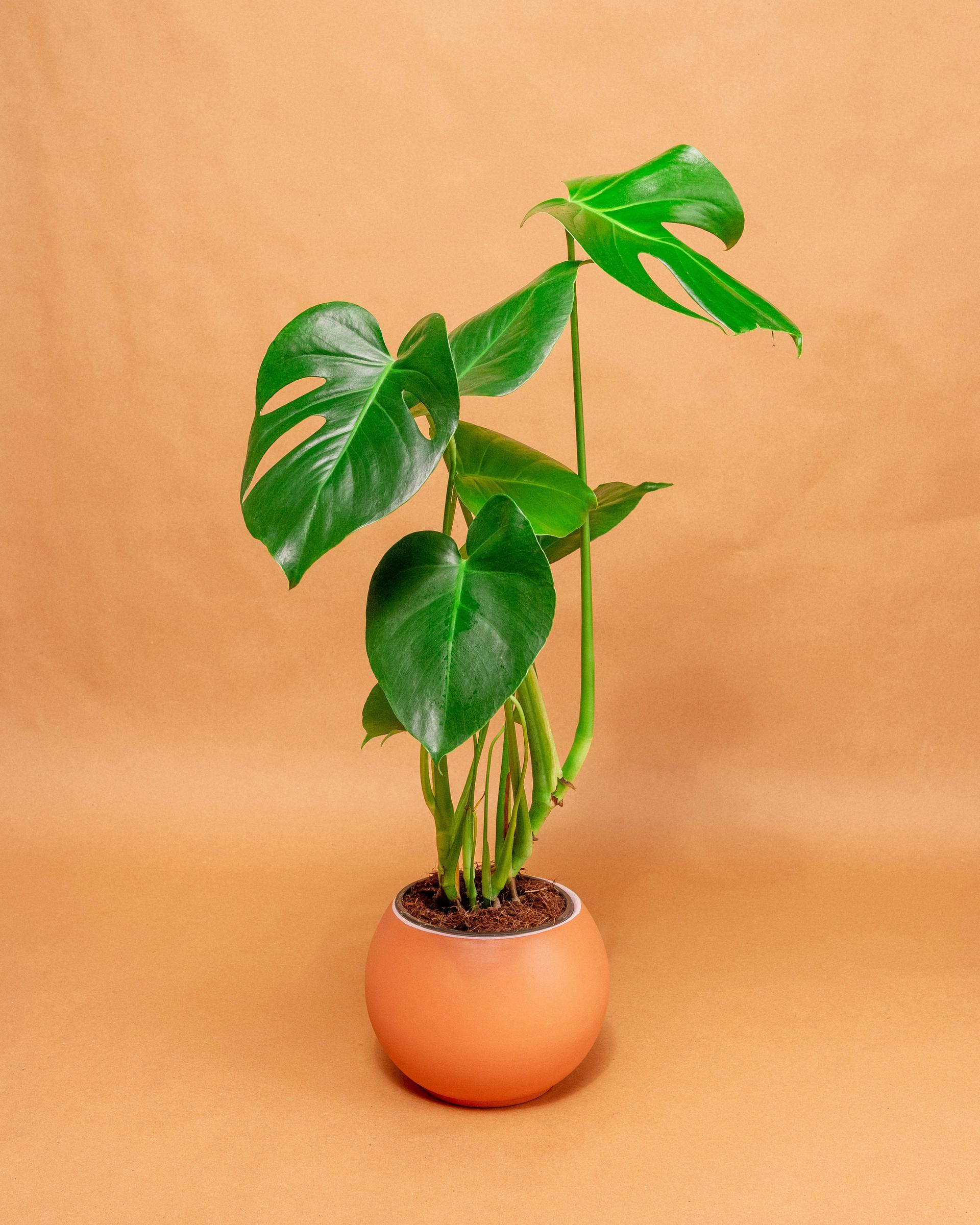
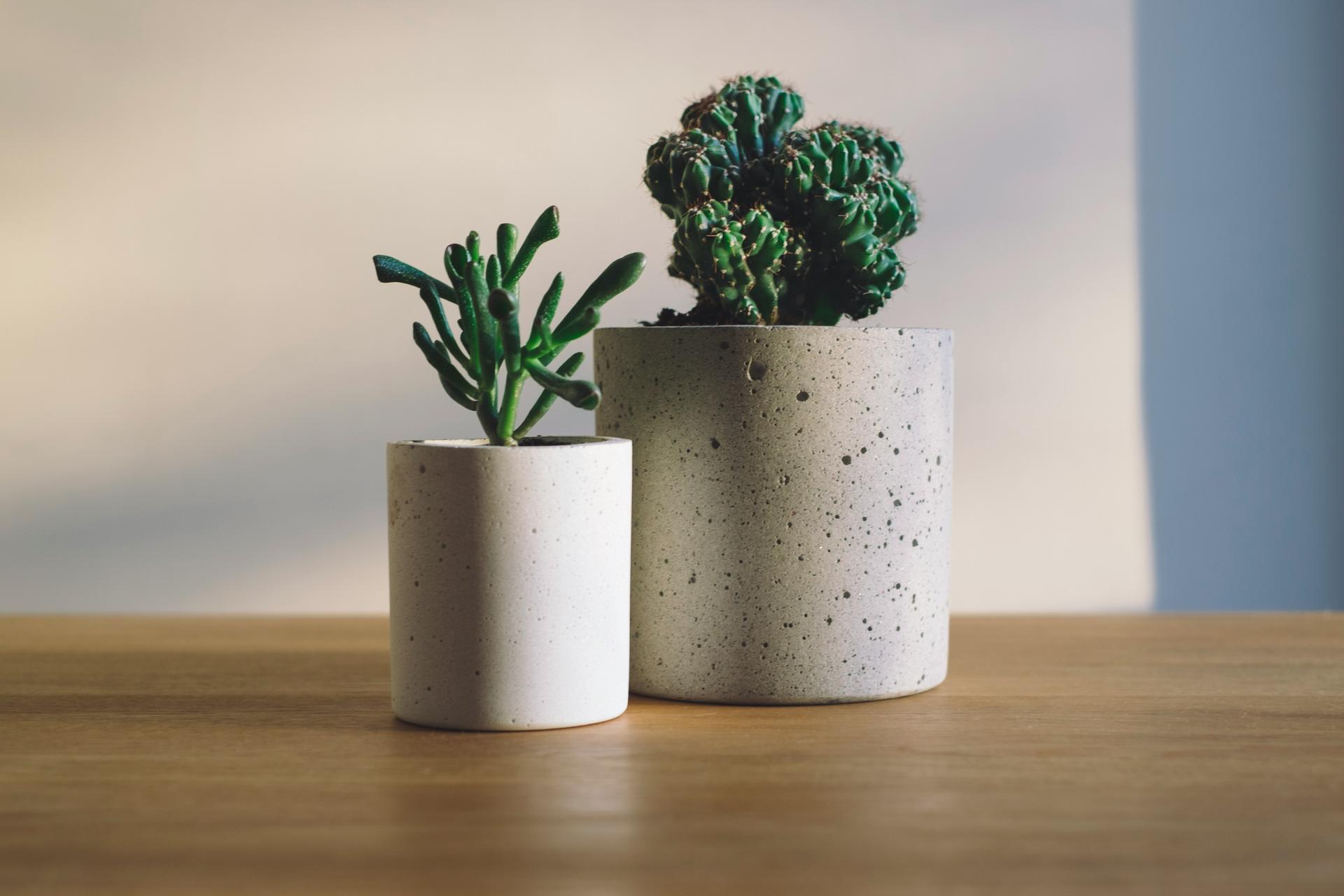
Understanding your plant's light needs is the most important step in successful care. Light is the energy source that fuels photosynthesis, allowing your plant to create its own food. Bright, Indirect Light: This is ideal for most tropical houseplants (like Monsteras and Pothos). Place them near a window that receives good light, but where the sun's rays don't directly hit the leaves, which can cause scorching. Direct Sun: Succulents, cacti, and certain flowering plants thrive in a few hours of direct sunlight. A south-facing window is usually best for these. Low Light: Plants like the Snake Plant or ZZ Plant can tolerate lower light conditions, but "low light" never means no light—they still need some ambient brightness to survive.
Overwatering is the number one cause of houseplant death. When a plant sits in soggy soil, its roots can't breathe, leading to root rot. The Finger Test: Before watering, stick your finger about an inch or two into the soil. If the soil feels dry, it's time to water. If it feels moist, wait a few more days. Thorough Soak: When you do water, soak the soil completely until water drains out of the pot's drainage holes. This ensures the entire root ball is hydrated. Always empty the excess water from the saucer underneath the pot after about 15 minutes. Seasonal Adjustment: Plants need less water in the dormant winter months and more during the active growing season (spring and summer).
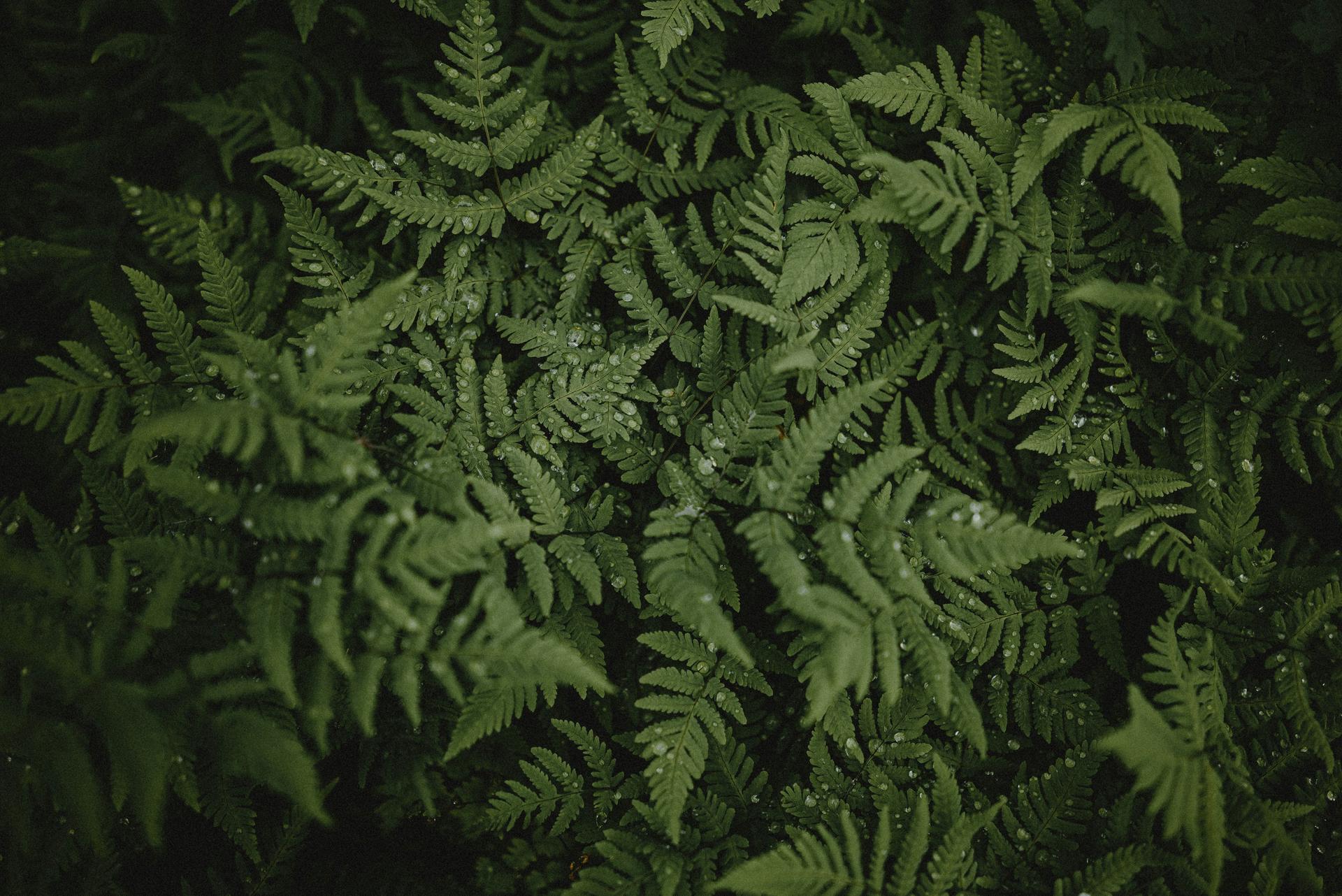
Many popular houseplants originate from tropical environments, meaning they thrive in high humidity. Dry indoor air, especially during winter with heating, can stress them out, leading to brown tips and crispy edges. Mist Regularly: While temporary, misting a few times a week can help, especially for plants like ferns or Calatheas. Pebble Tray: Place the pot on a tray filled with pebbles and water. The evaporating water will create a micro-climate of humidity around the plant. Just ensure the bottom of the pot isn't touching the water to avoid waterlogging the soil.
The right potting mix provides aeration and moisture retention. A standard indoor potting mix works for most plants, but some may need special blends: Drainage is Key: Look for mixes that contain materials like perlite or orchid bark to improve drainage and prevent compaction. Feeding Schedule: Plants use up the nutrients in their soil over time. Fertilize during the growing season (spring and summer), typically once a month, using a balanced houseplant fertilizer diluted to half strength. Do not fertilize in the fall or winter when the plant is resting.
Healthy plants are naturally more resistant to pests, but inspections are still important. Weekly Check: When watering, take a moment to look at the top and bottom of the leaves and along the stems for common pests like spider mites, scale, or mealybugs. Wipe Down Leaves: Dust can block sunlight and reduce the plant's ability to photosynthesize. Gently wipe down large leaves with a damp cloth every few weeks to keep them clean and shiny. If you spot a pest, isolate the plant immediately and treat it with an insecticidal soap or neem oil.